How to fit a horse headcollar correctly: a quick welfare check
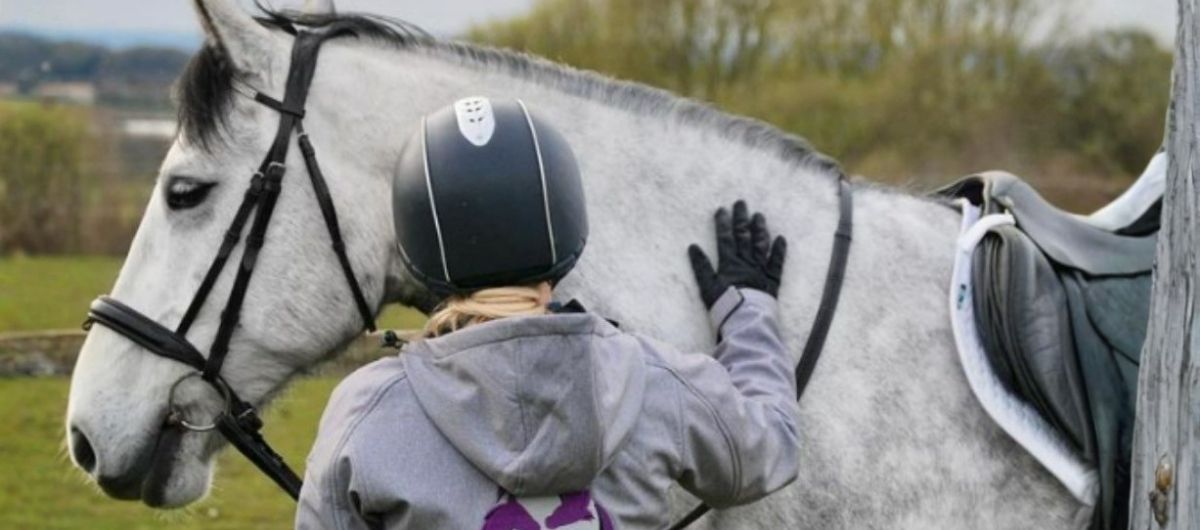
How to Fit a Horse Headcollar Correctly: A Quick Welfare Check
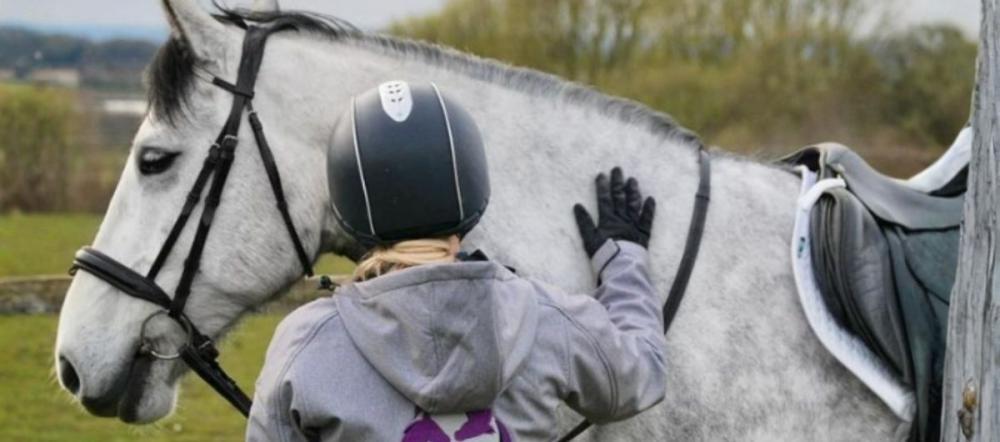
Most horse owners put a headcollar on without thinking about fit. It goes on, the horse stands, you get on with what you came to the yard to do.
But a headcollar that does not fit causes low-grade discomfort every time it is worn. Over time, it can cause rubs, pressure points, and a horse who is reluctant to be caught or headcollared. The fix is usually a quick adjustment.
Here is a simple check you can run in two minutes.
The Noseband Check
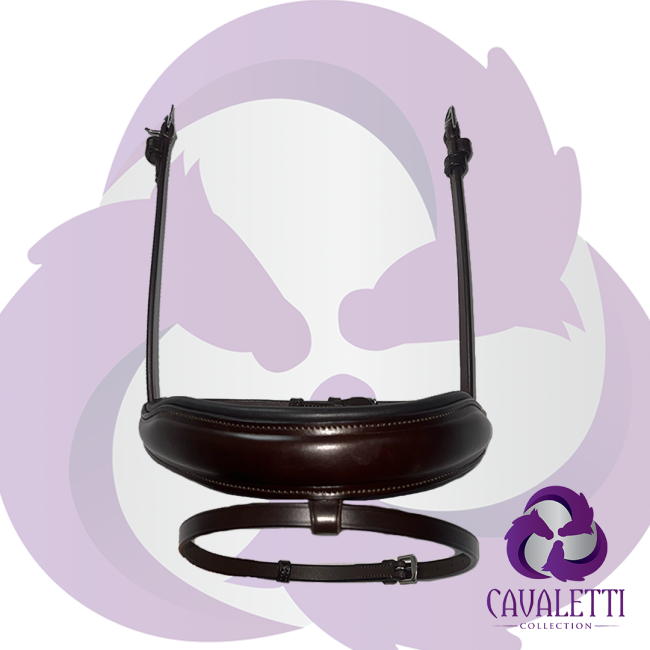
The noseband should sit roughly two finger-widths below the cheekbone, across the bridge of the nose. This is the fleshy, relatively soft area of the nose, above the nostrils.
When fastened, slip two fingers underneath. They should fit without forcing. If you cannot fit two fingers, the noseband is too tight. If you can fit a whole hand, it is too loose.
Too tight creates pressure on the nasal bone with every movement. Too loose allows the noseband to slide down toward the nostrils or allows the horse to put a leg through it.
The Headpiece Check
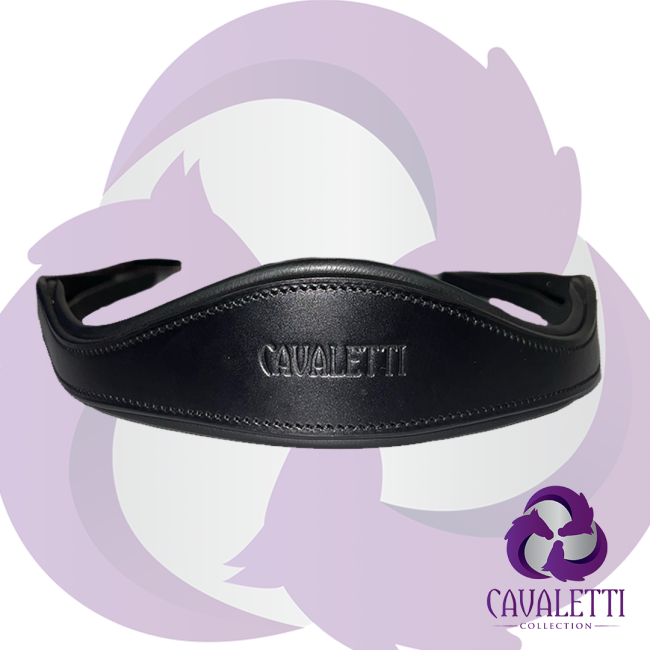
Stand behind the horse and look at the headpiece sitting behind the ears. It should clear the base of the ears without pressing forward against them. If the headpiece is pushed up against the back of the ears, the noseband is probably too tight and needs loosening first.
The headpiece should lie flat across the top of the neck. If it is twisting or sitting off-centre, check the cheek pieces are adjusted equally on both sides.
The Throat Lash Check
A fist should fit between the throat lash and the horse's throat. The throat lash prevents the leather headcollar from being pulled forward over the ears if the horse puts the head down sharply. It is a secondary safety feature and needs to be snug enough to function, but never tight.
The Cheek Piece Check
Both cheek pieces should lie flat against the face and be the same length. If one side sits closer to the face than the other, adjust the buckles until both sides match. An asymmetric headcollar distributes pressure unevenly and is more likely to cause a rub.
Signs of a Poor Fit
Rubs above or below the noseband position. Either the noseband is not sitting in the right place, or it is fastened too tight.
A reluctance to be caught or headcollared. Horses are not complicated: if something is uncomfortable every time it goes on, they learn to avoid it.
A headcollar that slides down the face during turnout. The noseband is too loose or the horse is pulling it off. Tighten slightly and check it stays in position.
For the full tack picture, our fitting guide covers everything from saddle to bridle to everyday handling tack. And our fitter locator can help you find a professional in your area.
-
 September 04, 2026
Weighted stirrups: do they actually help your position?
-
 August 31, 2026
When to Replace Your Stirrup Leathers: The Warning Signs
-
 August 28, 2026
Black vs Brown Reins: Does Matching Your Bridle Actually Matter?
-
 August 24, 2026
How to Choose the Right Safety Stirrups for Jumping
-