
Weighted stirrups: do they actually help your position?
Every few years, a piece of equestrian equipment comes along that promises to solve a position problem without requiring more work. Weighted stirrups are one of the more credible versions of this idea. They are not gimmicks. But they are not magic either.

When to Replace Your Stirrup Leathers: The Warning Signs
Stirrup leathers are one of those pieces of tack that riders rarely think about until something goes wrong. They go on the saddle, the stirrups go on them, and they tend to stay there for years.
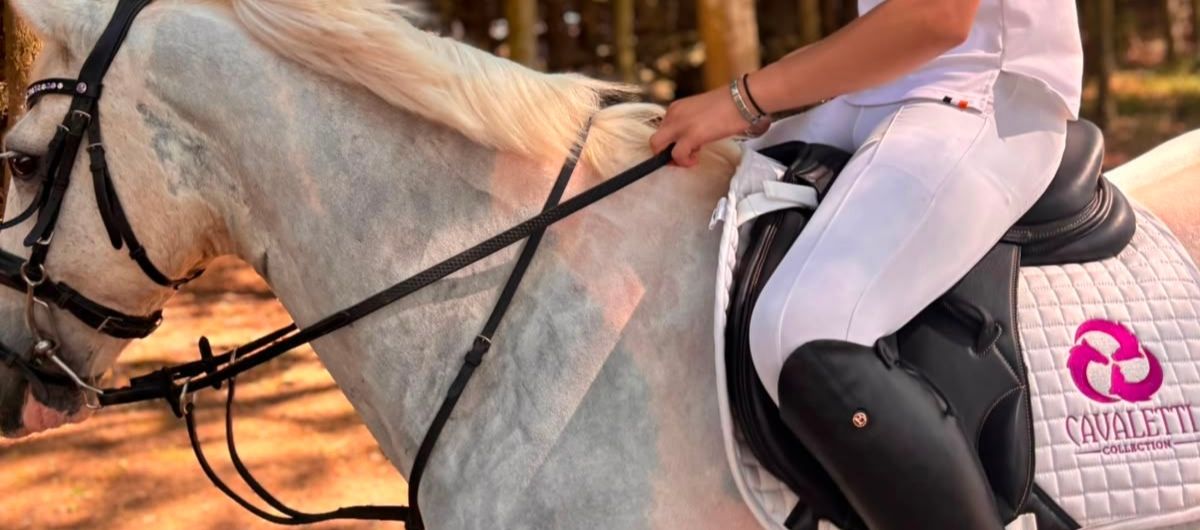
Black vs Brown Reins: Does Matching Your Bridle Actually Matter?
You have a brown bridle, and you are looking at reins. The rubber grip ones you like best come in black. Does it matter?

How to Choose the Right Safety Stirrups for Jumping
The risk of being dragged if a foot becomes trapped in a stirrup on a fall is one of the few genuinely serious safety concerns in everyday riding. Safety stirrups reduce that risk by allowing the foot to release under pressure.
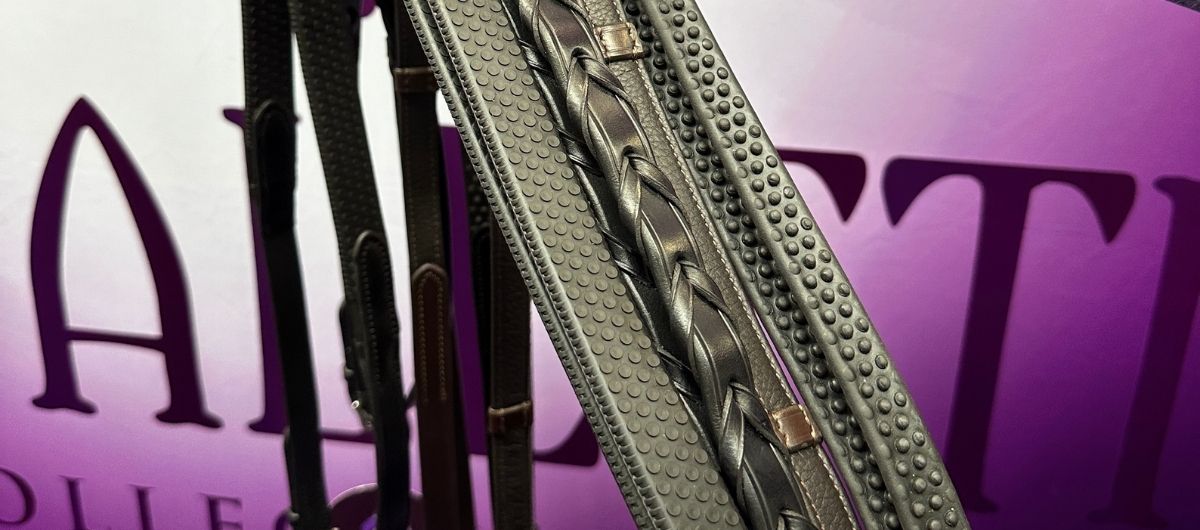
Stirrups, Reins and Stirrup Leathers: Getting Your Leatherwork Right
It is easy to spend a lot of time thinking about a saddle and almost no time thinking about the leatherwork that connects you to it. Stirrups, reins, and stirrup leathers are handled every ride. They carry real forces, and when they fail, they fail at the worst moments.

Caring for Your Leather Headcollar: A Simple Routine
Caring for leather headcollar that is looked after properly can last for ten years or more. One that is put away wet, never cleaned, and occasionally oiled will crack and fail in a fraction of that time.

The Best Headcollar for a Horse Who Pulls Back When Tied
A horse who pulls back when tied is one of the most nerve-wracking handling situations in equestrian life. You secure the lead rope and walk away. A noise, a spook, a passing lorry. And then the horse sits down on the rope and the whole situation escalates in seconds.

How to fit a horse headcollar correctly: a quick welfare check
A headcollar that does not fit causes low-grade discomfort every time it is worn. Over time, it can cause rubs, pressure points, and a horse who is reluctant to be caught or headcollared. The fix is usually a quick adjustment. Here is a simple check you can run in two minutes.

Why Leather Headcollars Are Safer Than You Might Think
At first glance, a leather headcollar seems like the more fragile choice. It can break. A synthetic one won't. Surely that makes the synthetic safer? The opposite is often true. And once you understand why, it changes how you think about what goes on your horse's head.
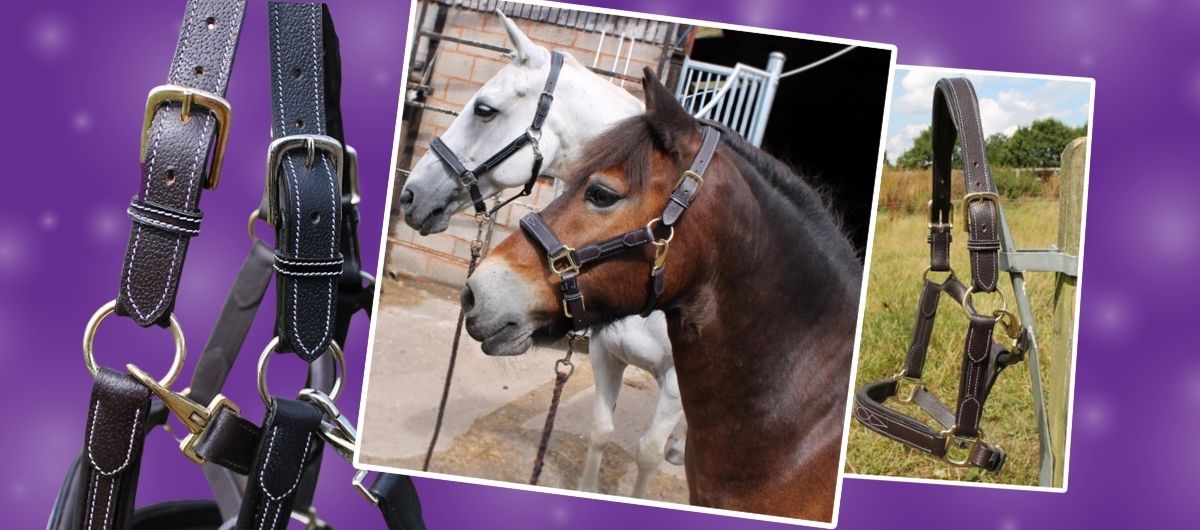
Headcollars for Horses: Choosing, Fitting and Caring for Leather
This guide covers everything you need to choose, fit, and care for a leather headcollar horses. Whether you are buying your first or reconsidering what has been on the stable door for years.
-
 September 04, 2026
Weighted stirrups: do they actually help your position?
-
 August 31, 2026
When to Replace Your Stirrup Leathers: The Warning Signs
-
 August 28, 2026
Black vs Brown Reins: Does Matching Your Bridle Actually Matter?
-
 August 24, 2026
How to Choose the Right Safety Stirrups for Jumping
-