What to Look for in a Jump Saddle Pad
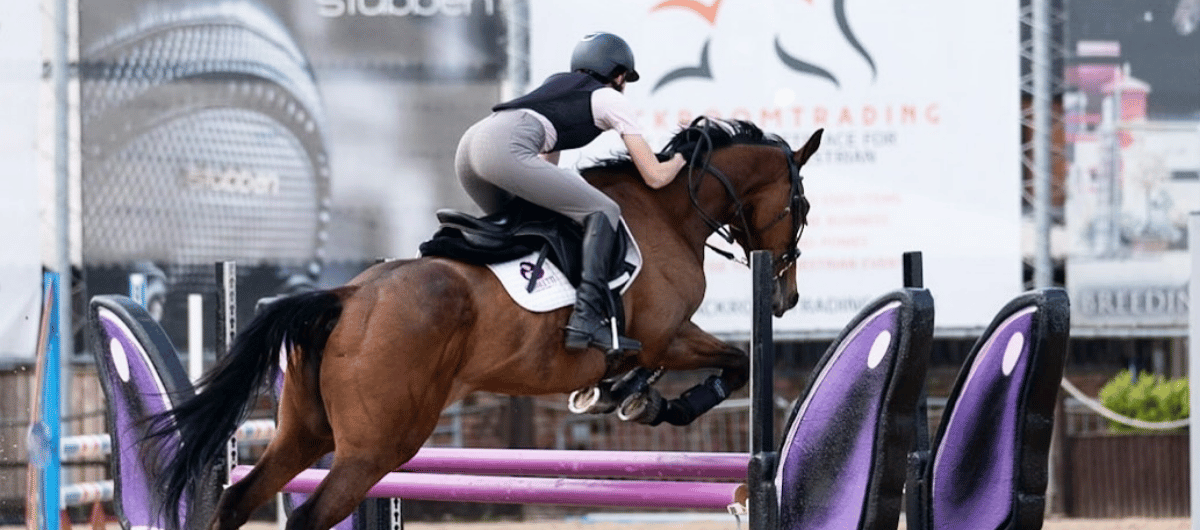
What to Look for in a Jump Saddle Pad
Table of Contents
- Fit Comes First
- Schooling vs Competition: They're Not the Same Job
- Do You Need a Jump-Specific Pad, or Will a GP Saddle Pad Do?
- Materials: What the Fabric Actually Does
- Signs Your Jumping Pad Might Not Be Working for Your Horse
- Quick Checklist Before You Buy a Jump Pad
- Ready to Find the Right Pad for Your Horse?
You're tacking up before a schooling session. Saddle, check. Girth, check. And then there's the jump saddle pad shoved at the back of the locker, a bit fluffy from last week's hack, and you think: does it actually matter which one I use?
It does. More than most riders realise.
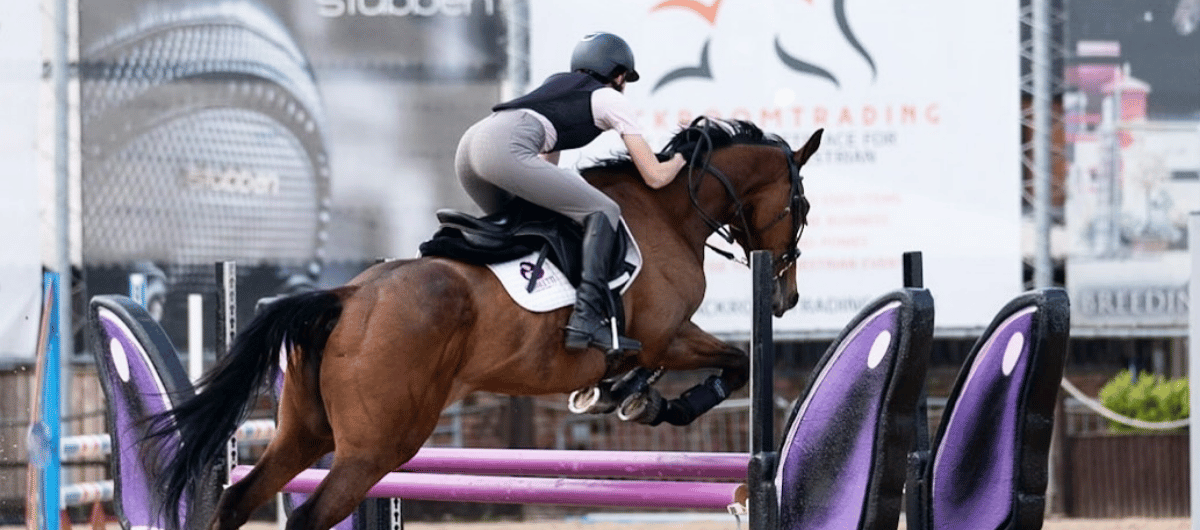
The pad sitting between your saddle and your horse's back influences pressure distribution, sweat management, and how freely your horse can move through the shoulder. Get it right and you'll barely notice it's there. Get it wrong and your horse might start telling you about it in ways that are harder to read.
This guide walks through what actually matters when you're choosing jumping pads, whether you're shopping for competition day or everyday schooling. For a broader look at saddle pads across disciplines, our complete saddle pad guide for horses and ponies covers the full picture.
Fit Comes First
Before fabric, brand, or colour, fit is what matters most in a jump pad. A pad that bunches up under the saddle, sits too close to the withers, or pulls back across the loins creates pressure exactly where you don't want it.
Look for a pad cut specifically for jumping saddles. The forward-cut flap of a jump saddle needs a pad shaped to match it, so the flap sits cleanly without the pad folding underneath. A shaped jump pad follows the natural curve of the saddle rather than fighting against it.
When you fit the pad, you should be able to pull it up into the gullet channel with ease. If it's dragging flat across your horse's spine, it will press down rather than bridge the channel. That matters enormously for spinal clearance, especially over a fence.
Schooling vs Competition: They're Not the Same Job
This is where riders often get unstuck. The jump pad that looked brilliant on course might not be the one your horse needs six days a week during training.
For Schooling Sessions
During regular flatwork and jump training, your horse is working consistently and building up heat and sweat. A jump pad for schooling should prioritise:
- Breathability. Cotton and bamboo blends wick moisture away from the back. This keeps the muscles underneath warmer for longer and reduces the risk of sudden temperature drops when you come in.
- Easy washing. Schooling pads take a beating. A pad that comes clean easily and keeps its shape after regular machine washes is worth its weight.
- Padding that supports without over-building. Too much thickness under the saddle can actually compromise saddle fit. A moderate layer is usually right for everyday use.
For Competition Days
On competition day, your priorities shift. You want something that looks clean and sits correctly, but still does the job properly.
- A close-contact feel. Many riders prefer a slimmer jumping pad for competitions, which keeps the saddle as close to the horse as possible and maintains sensitivity.
- A clean, professional finish. White or cream pads read well in the arena, but make sure you're not sacrificing fit for aesthetics.
- Non-slip properties. Some pads have a non-slip backing that prevents the saddle from creeping on a horse that's really going forward. Useful for horses that drop their back over fences or have a rounder conformation.
Browse our saddle pad range to see the options we carry for both schooling and competition use.
Do You Need a Jump-Specific Pad, or Will a GP Saddle Pad Do?
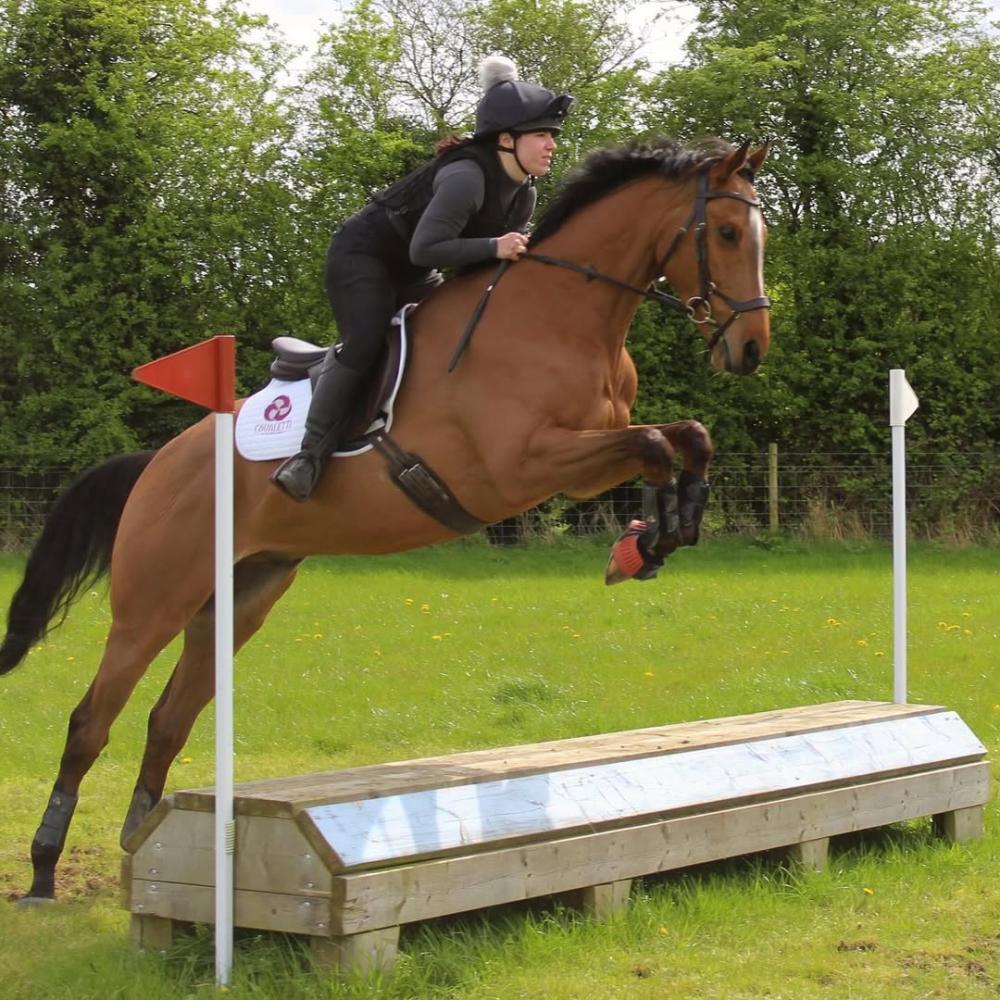 A GP saddle pad is designed to work with a general purpose saddle, which sits somewhere between a jump and a dressage cut. If you're riding in a GP saddle, a GP pad will usually be the right match.
If you're using a dedicated jump saddle, a jump-cut pad is the better choice. The forward-swept flap of a jump saddle extends further than a GP, so a standard GP pad can sometimes sit too far back, leaving the front of the saddle flap uncovered or allowing the pad to pull under pressure.
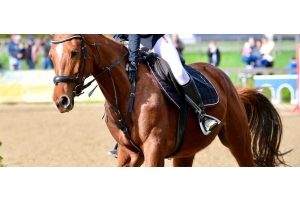
That said, some riders do use a GP pad under a jump saddle without issue, particularly on horses with broader, flatter backs where the flap contact is less extreme. The key is checking that the pad sits square, stays in place, and doesn't interfere with the gullet clearance. If you're not sure, it's always worth asking a fitter.
Image credit: appyelf
You can find a local saddle fitter using our locator tool if you'd like in-person guidance on what's working for your horse.
Materials: What the Fabric Actually Does
The fabric choice in jumping pads isn't just about feel. It affects how heat moves, how sweat is managed, and how long the pad holds its shape.
- Cotton. The classic choice. Breathable, easy to wash, and gentle against the skin. A good cotton or quilted cotton pad works well for most horses in most conditions.
- Technical fabrics. Some modern jumping pads use moisture-wicking materials designed to pull sweat away from the back more quickly than cotton. Useful for horses that work hard or sweat heavily.
- Fleece and gel inserts. Sometimes used in combination for added cushioning. Can be helpful for horses with pressure sensitivity or very prominent withers, but check they don't raise the saddle out of its fitted position.
- Merino wool. Naturally temperature-regulating and soft. Higher price point but genuinely kind to the skin and well-suited to horses with any sensitivity.
Whichever material you choose, the most important thing is that it stays consistent after washing. A pad that mats, shrinks, or loses its shape changes the fit underneath your saddle, often without you noticing straight away.
Signs Your Jumping Pad Might Not Be Working for Your Horse
Horses don't always make it obvious. Some will object loudly. Others go quiet and just get tighter. Here are the signs worth watching for:
- White, dry patches in the coat after work, surrounded by areas of heavy sweat. This can indicate pressure points where the pad is pressing unevenly.
- Sensitivity when you groom over the back or loin area, especially if it's a new behaviour.
- Uneven sweat marks. The pad should leave a consistent sweat pattern. If one side is heavier than the other, something isn't sitting symmetrically.
- The pad is visibly shifting or folding during work. Even if it starts in the right place, a pad that moves suggests it's not the right shape for this saddle.
- Your horse is becoming reluctant to go forward, hollow through the back, or tense in the canter. These can have many causes, but tack discomfort is always worth ruling out.
If you notice any of these signs consistently, it's worth looking at the whole picture: your saddle fit, the pad, and how everything is sitting together. Small signs matter, and your horse is usually right.
Quick Checklist Before You Buy a Jump Pad
Run through these before you commit:
- Is it cut for a jump saddle or a GP saddle? (Match it to your saddle shape.)
- Does it sit up into the gullet channel without pressing on the spine?
- Will it stay in place on your particular horse's conformation?
- Is the fabric appropriate for how hard your horse works?
- Does it wash and hold its shape?
- If it's for competition, does it meet the colour or style requirements for your discipline?
Take a look at our full accessories range for jump pads, GP pads, and everything else your horse might need.
Ready to Find the Right Pad for Your Horse?
A good jump saddle pad does its job quietly. It protects your horse's back, works alongside your saddle, and lets you get on with the riding.
Browse our full tack range at cavaletticollection.co.uk/accessories or speak to the team if you need help choosing. We're based in Aldridge and always happy to talk tack. Call us on 01922 263600 or drop a message to contact@cavaletticollection.co.uk.
And if you're looking at your whole saddle setup, our 14-day free saddle trial means you can try before you commit. No rush, no pressure. Just the right saddle for your horse.
-
 September 04, 2026
Weighted stirrups: do they actually help your position?
-
 August 31, 2026
When to Replace Your Stirrup Leathers: The Warning Signs
-
 August 28, 2026
Black vs Brown Reins: Does Matching Your Bridle Actually Matter?
-
 August 24, 2026
How to Choose the Right Safety Stirrups for Jumping
-