Do Saddle Pads Change How Your Saddle Fits? What Pony Owners Need to Know
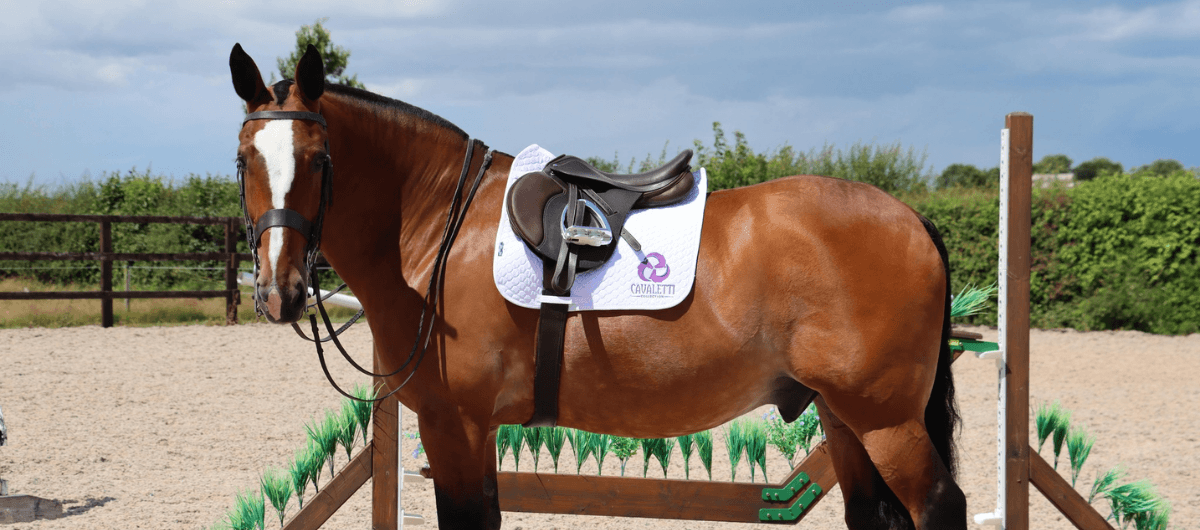
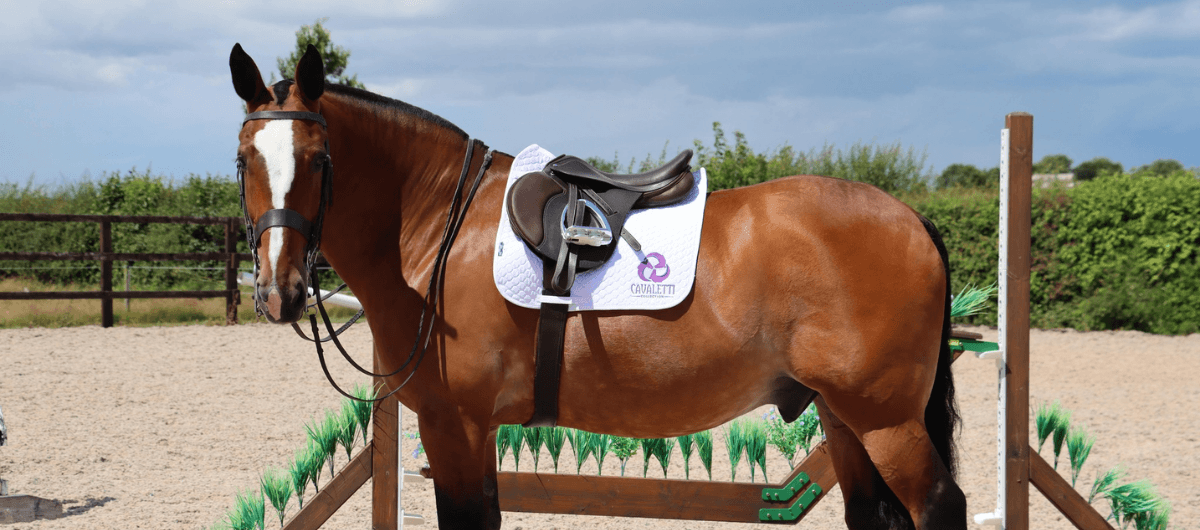
Do Saddle Pads Change How Your Saddle Fits?
Table of Contents
- What saddle pads are actually designed to do
- Why thick pads don't fix a poorly fitting saddle
- Signs your horse’s saddle might not fit
- The difference between saddle pads, junior saddle pads, and specialist options
- What to do if you suspect a fit problem
You've tacked up, adjusted the pad, and convinced yourself it feels better than last week. The horse seems fine. You're getting on. It'll be okay.
We hear this a lot. And we understand it, because a good saddle isn't cheap, and it can be tempting to use a thicker pad as a quick fix when something feels slightly off.
But here's the truth: saddle pads for ponies are not a substitute for correct saddle fit. A pad can play a small, useful role in comfort and protection. What it cannot do is correct a saddle that doesn't fit.
What Saddle Pads Are Actually Designed To Do
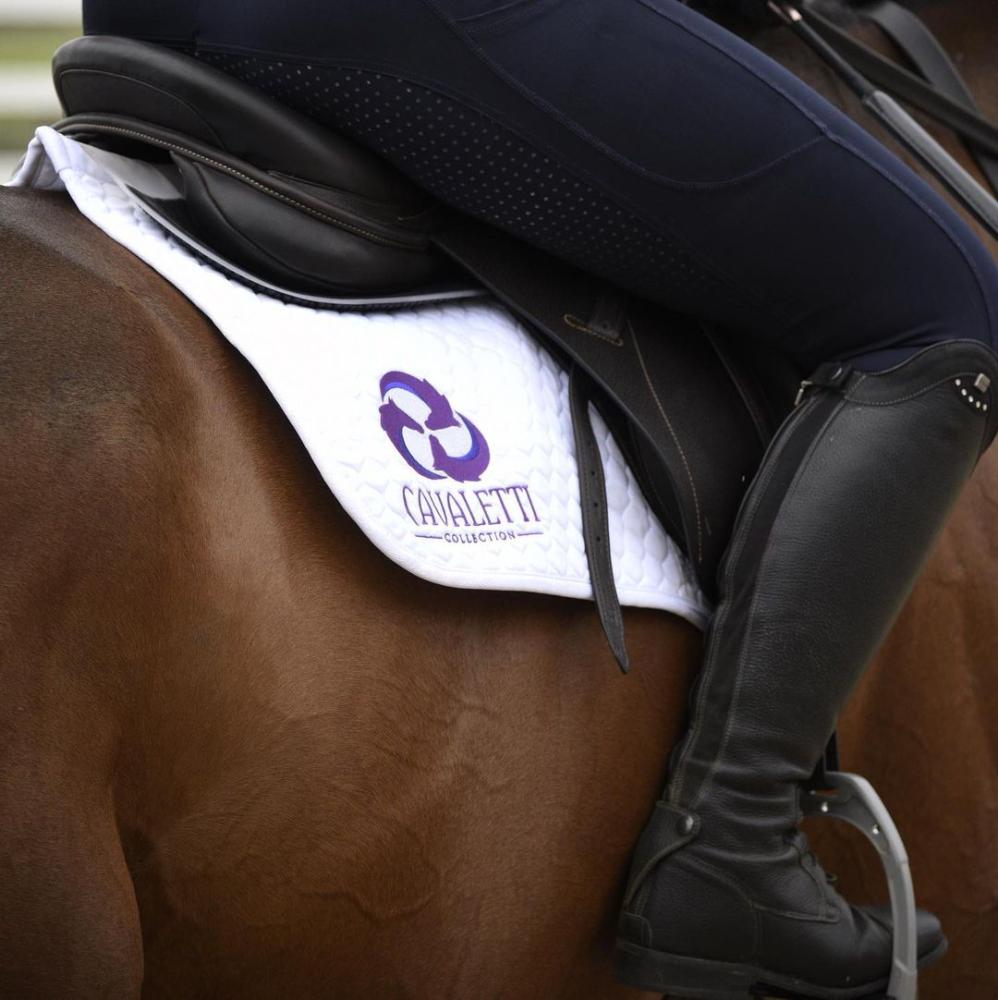 A good pad serves a few practical purposes. It protects the saddle's underside from sweat and dirt. It can add a small layer of cushioning to the saddle's panels. And in some cases, a thin shim pad or corrective pad can help manage very minor asymmetry while you wait for a full re-fit.
Pads are not designed to bridge a gullet that's too narrow. They can't lift a saddle that's sitting on the withers. They won't stop a tree that's the wrong profile shape from rocking, and they won't redistribute pressure that's concentrated in the wrong place.
Why Thick Pads Don't Fix a Poorly Fitting Saddle
Adding bulk under a saddle that doesn't fit can actually make things worse. When a saddle already sits low on the withers, extra padding pushes it even closer. When a saddle is already tight over the shoulder, more padding compresses the area further.
A horse or pony whose saddle doesn't fit will find ways to tell you. Some are obvious. Others are quiet. Both matter.
Using thick pads as a long-term solution can delay the problem being addressed properly, while the discomfort continues. The horse or pony carries on working in discomfort. The rider gets used to certain behaviours as normal. And the underlying fit issue goes unresolved.
Kindness here means taking the problem seriously, not papering over it.
Signs Your Pony's Saddle Might Not Fit
Ponies are often stoic. They tolerate discomfort in ways that bigger horses sometimes don't, which means their signals can be subtle. Watch for these:
- Reluctance to be tacked up, moving away from the saddle, or pinning ears when the girth is tightened
- A short, stilted stride or reluctance to move forward freely
- Hollowing through the back rather than lifting and swinging
- Bucking, napping, or unexplained changes in behaviour under saddle
- White hairs appearing on the back or withers over time, which can signal pressure points
- A rider who consistently feels tipped forward or struggles to sit quietly
If any of these feel familiar, a qualified saddle fitter should be your first call. Not a new pad.
Saddle Pads, and What to Look For
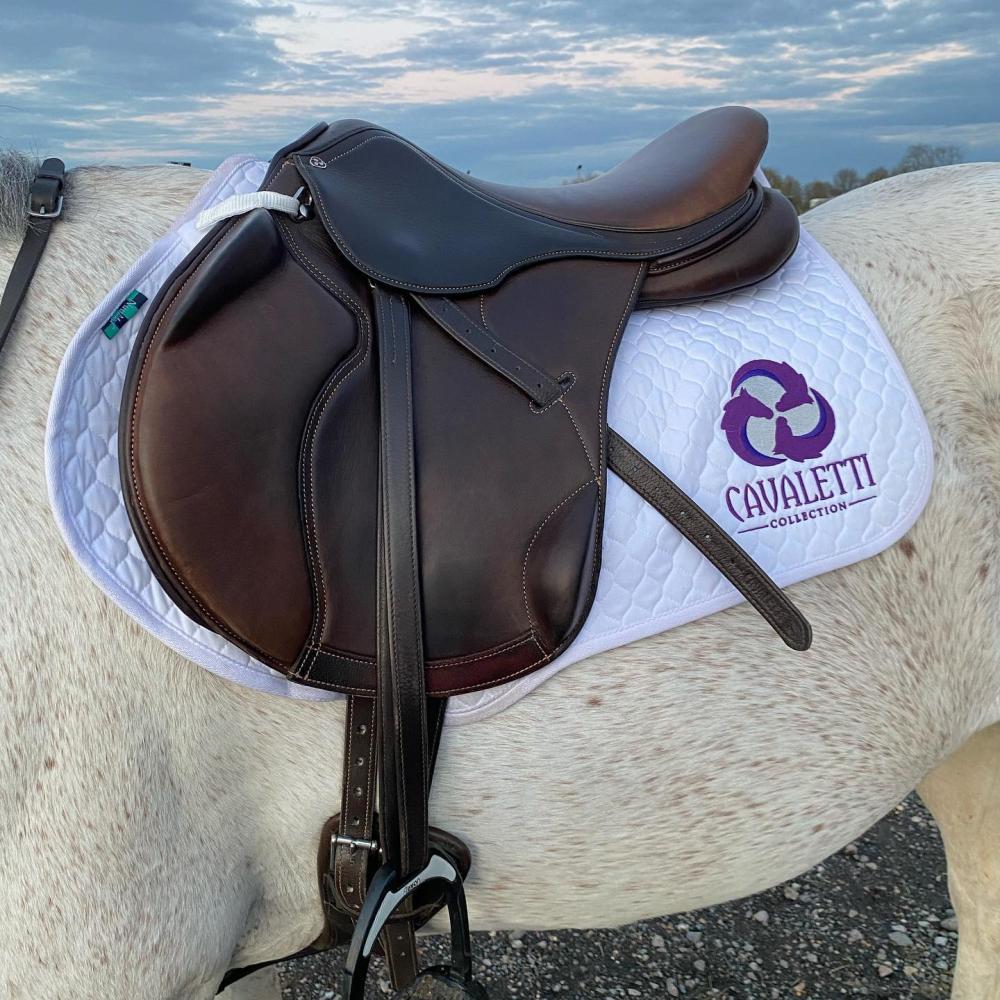 If you're buying saddle pads for ponies specifically, fit matters here too. A pad designed for a full-size horse won't sit correctly on a pony's shorter back. It will overhang behind the saddle, sit unevenly, and can actually shift during movement.
Saddle pads and junior saddle pads are cut shorter and shaped to match a pony's proportions. They protect the saddle, wick sweat, and sit cleanly under a correctly fitting saddle. The right Saddle pad makes a difference to presentation and saddle care; it won't compensate for a saddle that needs attention.
When choosing pads for a younger rider's pony, look for:
- A cut that matches the length of the saddle and the pony's back
- Breathable, wicking material to keep the back cool and comfortable
- Easy-care fabric, because yard life is not gentle on tack
- Correct thickness: thin enough not to affect saddle position, sufficient to offer basic cushioning
You can browse our full range of saddle pads and accessories to find options sized correctly for ponies and young horses.
What to Do If You Suspect a Fit Problem
Start by running your hand along the pony's back after you ride. Look for any warm patches, which suggest friction or pressure. Check the sweat pattern under the saddle when you untack. Even pressure across the panels, front to back, is a good sign. Uneven patches or dry spots in a sweaty back tell a different story.
Getting a second opinion from a local saddle fitter doesn't have to be complicated. If you're also considering whether a new saddle is the right move, a saddle trial gives you the breathing room to try before you commit.
Pony saddle fit in particular deserves careful thought. Ponies are bought at different ages, ridden by children who grow, and often shared between riders. The type of saddle, the gullet width, and the panel shape all affect how the saddle sits as the pony's condition and muscle changes. You can read more about choosing the right pad alongside the right saddle in our complete guide to saddle pads for horses and ponies.
Our pony and junior saddle range includes options across disciplines, with an interchangeable gullet system so the fit can be adjusted as your pony changes shape. That kind of adaptability makes a real difference over time.
The Bottom Line
Saddle pads for ponies are part of good tack care. The right saddle pad protects the saddle, keeps the back clean, and finishes off the tacking-up properly. Junior saddle pads cut to pony size sit correctly and stay in place.
What they are not is a fix for a saddle that doesn't fit. If your pony is showing signs of discomfort, or you've been adding more padding and wondering why things still feel off, it's worth taking proper action.
Your pony's back deserves more than a workaround.
Ready to Find the Right Fit?
Book your free 14-day saddle trial and try a saddle on your own pony, at home, with no commitment. If you're not sure where to start, use our saddle fitter locator to find someone local.
Browse our full tack and accessories range or Contact Us directly if you need help choosing.
-
 September 04, 2026
Weighted stirrups: do they actually help your position?
-
 August 31, 2026
When to Replace Your Stirrup Leathers: The Warning Signs
-
 August 28, 2026
Black vs Brown Reins: Does Matching Your Bridle Actually Matter?
-
 August 24, 2026
How to Choose the Right Safety Stirrups for Jumping
-