The Best Pony Saddle Pad for a Round-Barrelled Pony
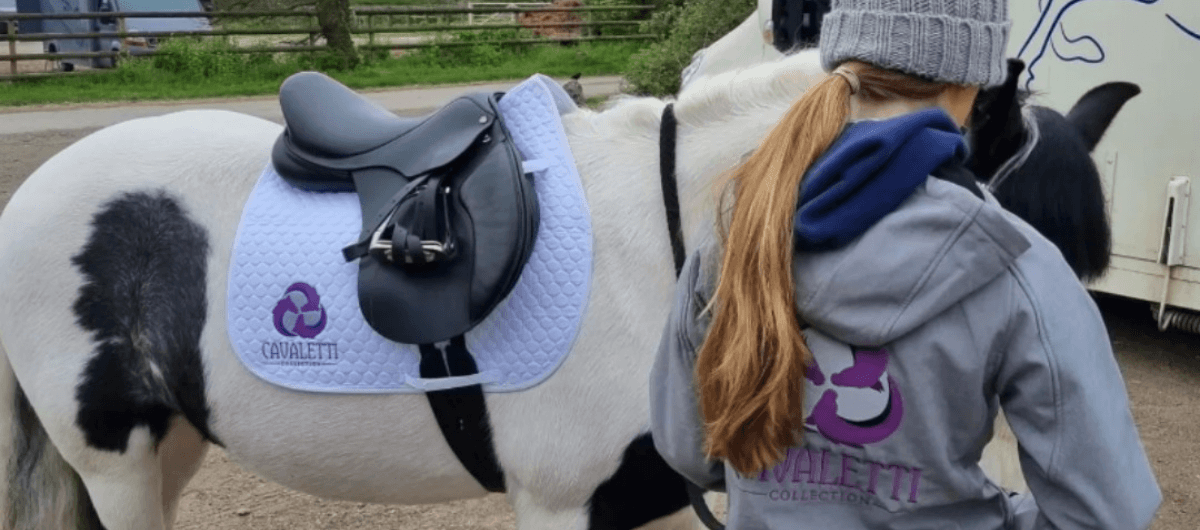
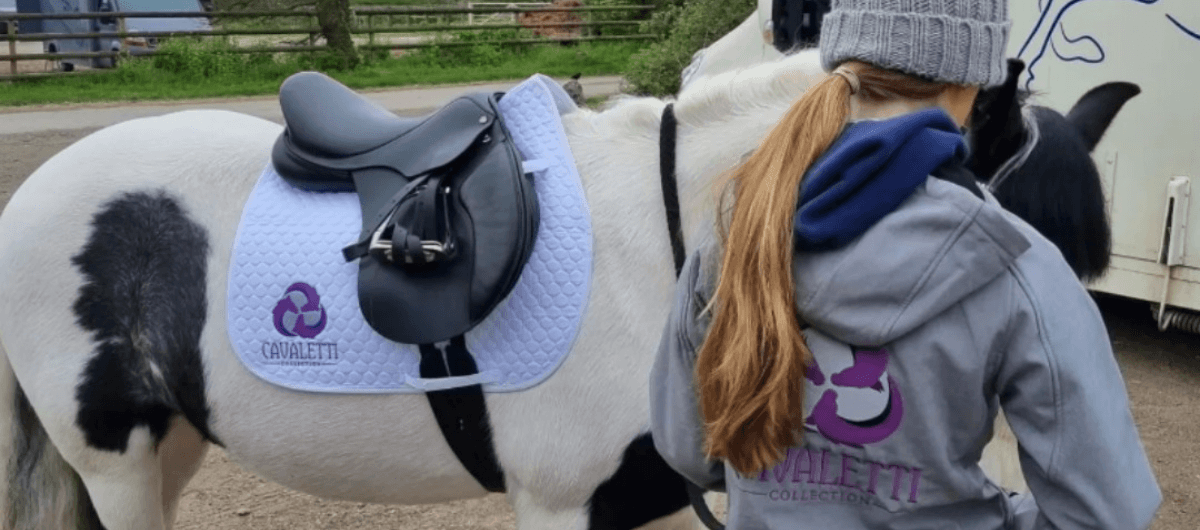
The Best Pony Saddle Pad for a Round-Barrelled Pony
Table of Contents
- Why round-barrelled ponies are different
- The signs your current pad is not working
- What to look for in a pony saddle pad
- Fit, saddle, and pad: how they work together
- Choosing the right pad for your pony
You tack up, give the girth one last check, and lead your pony to the mounting block. Everything looks fine. But ten minutes into your ride, the pad has crept sideways, bunched behind the saddle, or ridden up at the back. Sound familiar?
For anyone with a round-barrelled pony, it is one of the most common frustrations in the yard. The problem is not always the saddle. Often, it comes down to the pony saddle pad and whether it is designed to stay put on that particular shape of horse.
Why round-barrelled ponies are different
Most saddle pads are cut and shaped for the average horse. A pony with a round, well-sprung barrel, broad back, and short back length does not fit that average.
The shape means there is less for the pad to grip. Wider at the middle, flatter across the back, and often with a higher wither or a very low one. Any of these features can cause a standard pad to slide, shift, or bunch within minutes of setting off.
This matters because a pad that moves is not just annoying. It creates uneven pressure under the saddle, and that pressure lands on your pony's back. Small discomfort early on can lead to tension, resistance, and bigger behavioural changes over time. Your pony is telling you something. It is worth listening to.
The signs your current pad is not working
Sometimes the signs are obvious. Sometimes they are easy to dismiss as 'just one of those things'. Here is what to watch for:
- The pad twists or creeps sideways after 10 to 15 minutes of work.
- There is uneven pressure or rubbing visible on your pony's back after you untack.
- The back of the pad bunches up or rides forward under the saddle flap.
- Your pony is tighter through the back than usual, or resistant when you ask for forward movement.
- You are constantly stopping to straighten the pad mid-ride.
Any of these is a sign that your current Saddle pad is working against you rather than with you. And if you are not sure whether saddle fit is also a factor, our saddle fitter locator can help you find a professional close to you.
What to look for in a pony saddle pad
Size and shape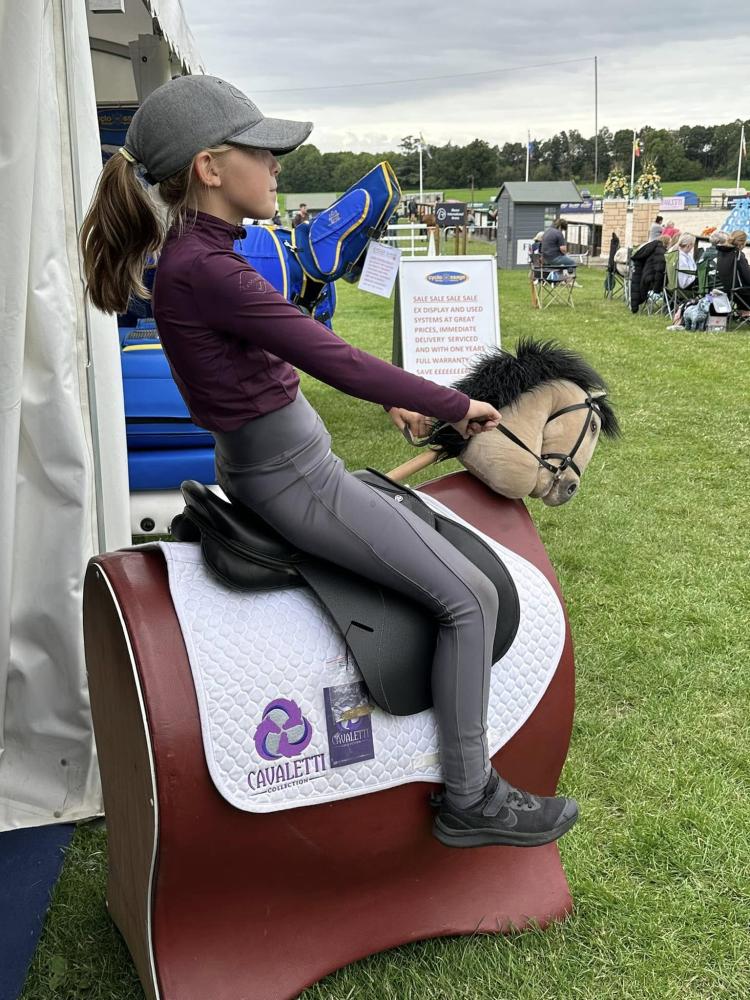
This is the starting point. A pony-specific cut is shorter through the back, narrower at the spine channel, and shaped to sit correctly under a pony saddle, not a full-size one. Using a full horse pad trimmed down or folded over creates uneven padding and pressure points.
Good pony saddle pads are proportioned to actually fit the animal wearing them. That sounds obvious, but it is worth checking the dimensions before you buy.
Grip and stability
Girth loops and keeper straps also help significantly. A pad that attaches directly to the girth stays far more stable than one that floats freely beneath the saddle.
Padding and thickness
Thicker is not always better. For a short-backed pony, a very thick pad can actually interfere with saddle fit, raising the tree and altering the contact points. The goal is even, consistent cushioning, not maximum bulk.
Breathability
Ponies can run warm. A pad that traps heat and moisture under the saddle will cause discomfort long before any slipping does. Look for breathable materials, particularly if your pony works hard or you are riding in warmer months.
Fit, saddle, and pad: how they work together
A good pad can make a well-fitted saddle more comfortable. It cannot, though, fix a saddle that does not fit.
If your pony is showing any signs of discomfort, saddle fit should always be checked first. We have a detailed guide to saddle pads for horses and ponies that covers the relationship between pad choice and saddle fit in more detail, which is a good place to start if you want to understand the full picture.
The saddle itself also matters more than many riders realise. Cavaletti Collection saddles come with an interchangeable gullet system across six width options, which means the fit can be adjusted as your pony's shape changes through the seasons. A correctly fitted saddle combined with the right pad makes an enormous difference to how stable everything sits.
If you are not sure where to start, the 14-day free trial takes the pressure off completely. You can try the saddle in your own environment, on your own pony, and see how it sits before making any commitment. More on that below.
Choosing the right saddle pad combination
There is no single pad that works for every pony. But there are a few practical questions worth asking before you choose: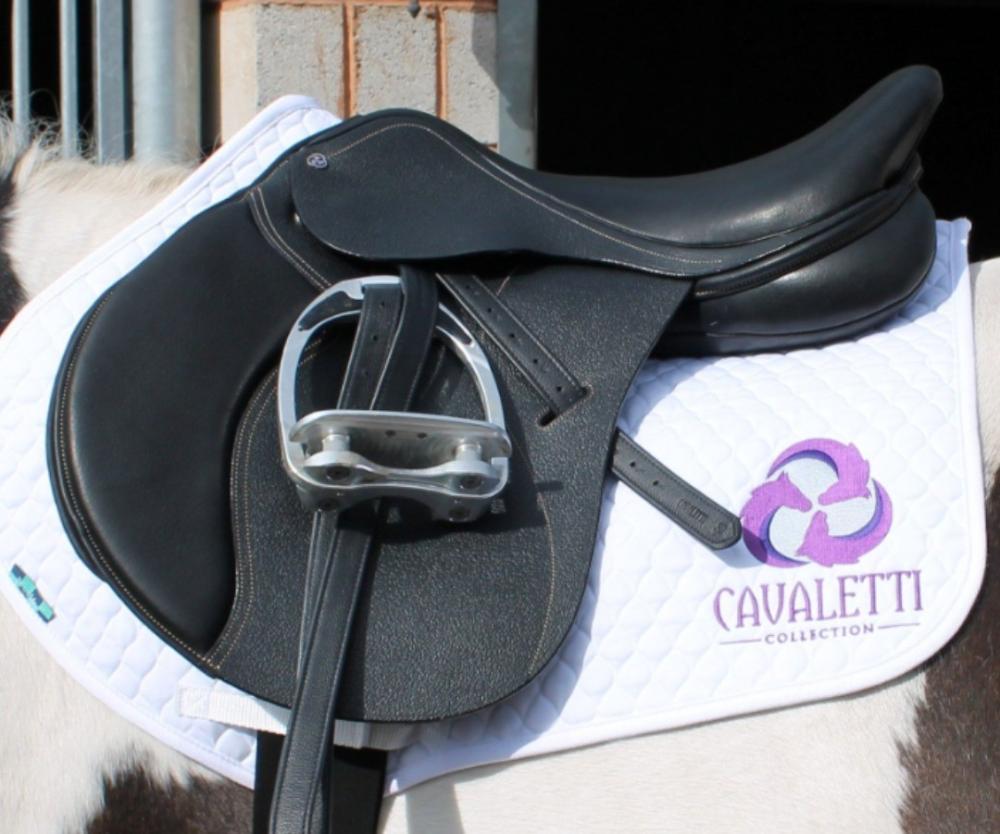
- Is the pad cut for a pony, not adapted from a horse pad?
- Does it have girth loops or keeper straps to prevent sideways movement?
- Is the spine channel clear enough not to put pressure on the withers?
- Is the material breathable enough for the way you work?
- Does the padding thickness work with your saddle, not against it?
A saddle pad combination that answers yes to all of those is a good starting point. Get that right, and you will feel the difference from your first ride.
Ready to find the right fit?
Browse our full range of pony accessories and saddle pads, or explore the saddle range if saddle fit is your next step. Not sure where to start? Speak to the team directly or drop us a message. We are always happy to help you work through it.
And if you have found a saddle you like the look of, remember: our 14-day free trial means you can try it on your own pony, in your own time, with no commitment. That is how we think it should be done.
-
 September 04, 2026
Weighted stirrups: do they actually help your position?
-
 August 31, 2026
When to Replace Your Stirrup Leathers: The Warning Signs
-
 August 28, 2026
Black vs Brown Reins: Does Matching Your Bridle Actually Matter?
-
 August 24, 2026
How to Choose the Right Safety Stirrups for Jumping
-