How to Fit a Breastplate So It Does Not Restrict Your Horse
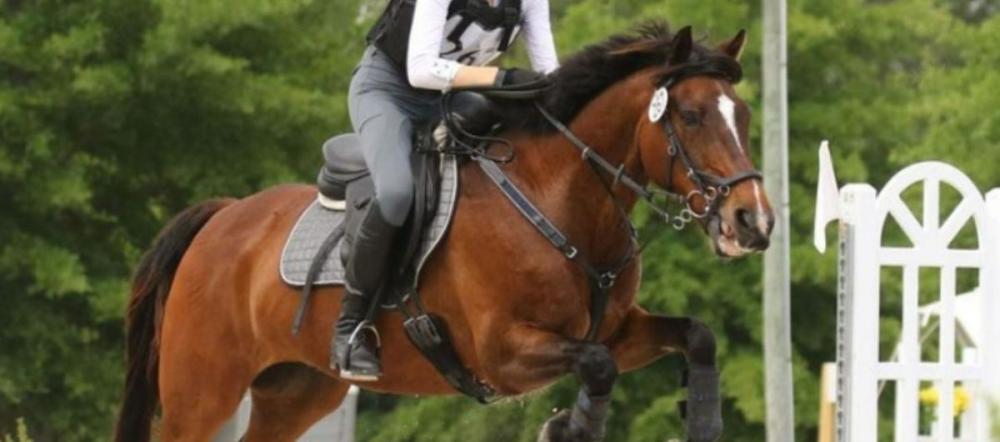
How to Fit a Breastplate So It Does Not Restrict Your Horse
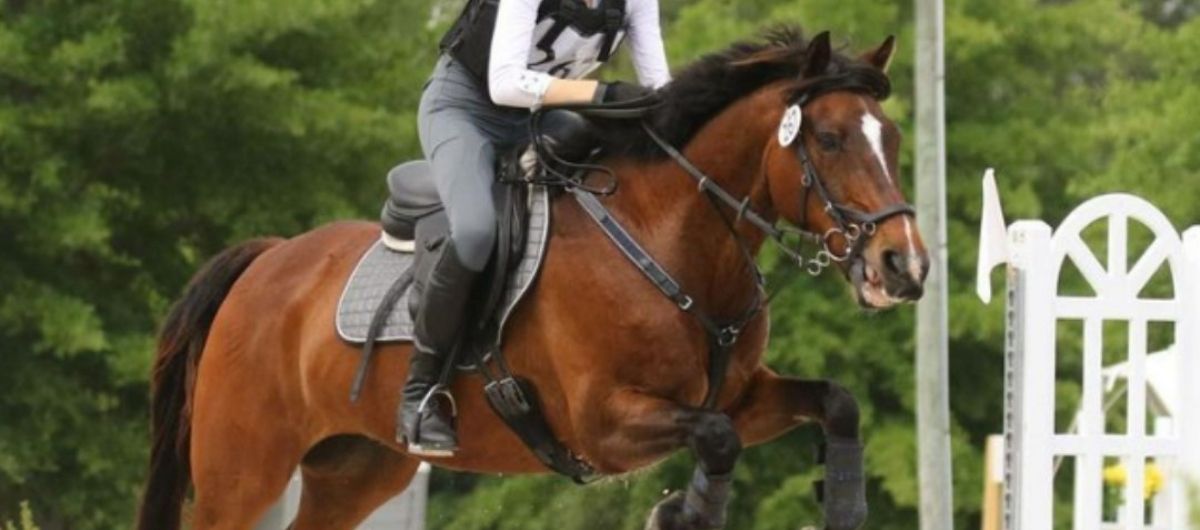
A breastplate fitted too tightly is one of the most common tack mistakes. It sits there looking fine, nobody questions it, and all the while, the horse's breastplate shoulder movement is being limited with every stride.
This guide walks through how to fit both a hunting breastplate and a five-point breastplate correctly, the signs that something is wrong, and what to adjust.
The Golden Rule: If in Doubt, Go Looser
A breastplate's job is to prevent saddle slip. It does not need to be firm against the horse's body to do that job. It needs to be in the right position, attached to the right points, and adjusted so it engages only when the saddle begins to move.
Think of it like a seatbelt. It sits there comfortably. When forward force is applied, it holds. A seatbelt that is permanently tight against your chest is not safer; it is just uncomfortable.
Fitting a Hunting Breastplate: Step by Step
Step 1: The chest strap
The chest strap should sit across the breast, below the windpipe and above the point of the shoulder. Place your fist between the strap and the horse's chest. It should fit comfortably with room. If your fist is pressed horse breastplate too tight or won't fit, the strap is too short.
Step 2: The shoulder straps
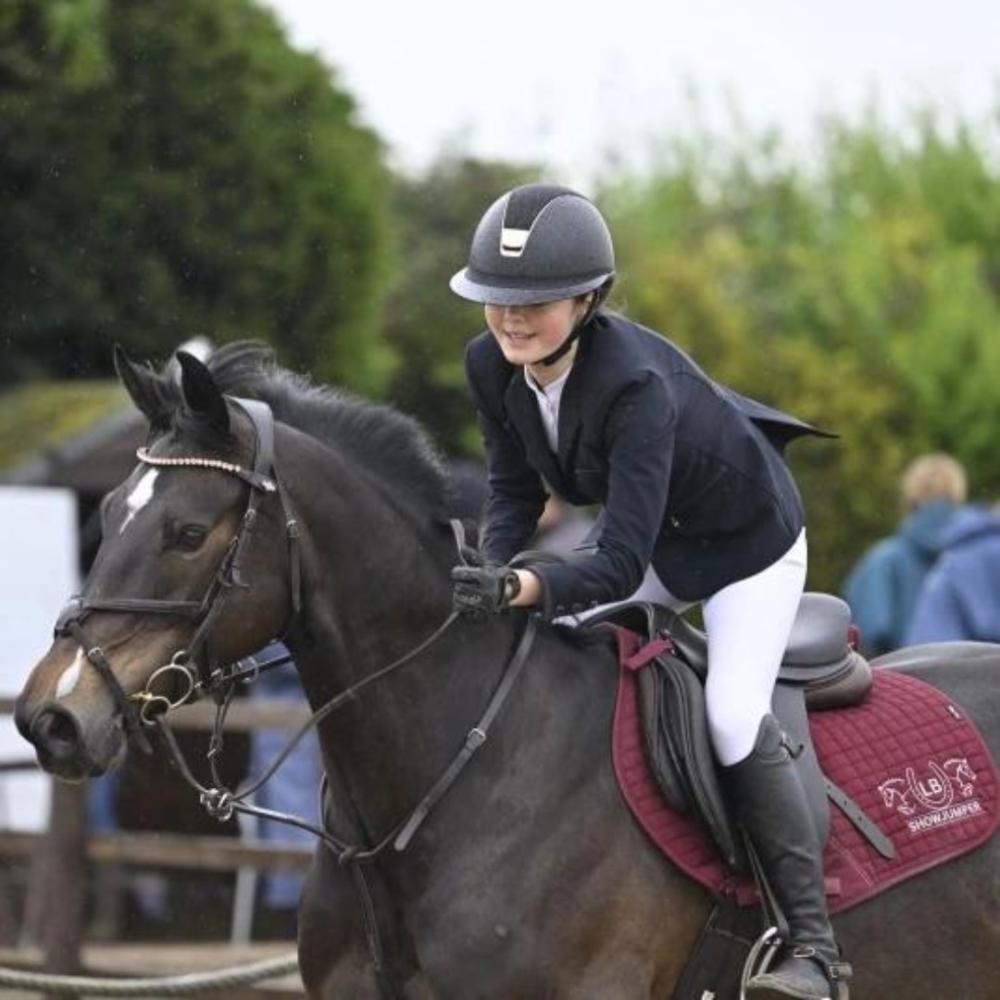
The two shoulder straps run up to the front D-rings on the saddle. They should lie flat against the horse's shoulder without pulling. Stand back and look at the front of the saddle. If the straps are causing the pommel to pull forward or down, they are too short.
Step 3: The belly loop
The belly loop runs through the front legs and attaches to the girth. It should be snug but not pulling the girth forward. When the horse is standing square, the loop should be flat under the belly, not taut.
Step 4: Check the movement
Watch the horse walk and trot on a loose rein. The shoulder should swing freely. If the chest strap is cutting into the movement or the horse shortens the stride at the shoulder, loosen the strap.
Fitting a Five-Point Breastplate: Additional Checks
All the checks above apply to the five-point. In addition:
The side girth straps
The two side straps attach to the girth on each side. They should be equal in length and should sit snug without pulling the girth forward. Check that the girth is still sitting in its correct position after the breastplate fitting guide is attached. If it has moved, loosen the side straps.
Balance across the horse
The five-point works by creating a balanced framework around the saddle. If one side strap is significantly tighter than the other, the saddle may be pulled fractionally sideways. Adjust both sides equally.
Signs the Breastplate Is Too Tight
Short, stilted stride at the shoulder. The horse is not able to bring the foreleg forward freely.
Rubbing or hair loss at the chest or behind the shoulder. The strap is pressing with every stride rather than lying flat.
The horse moves with a lowered head and an upward tension in the neck. This can indicate the belly loop is too tight and is creating discomfort under the girth.
The saddle is being pulled forward by the breastplate straps rather than held by them.
Signs the Breastplate Is Too Loose
The saddle still slips backwards despite the breastplate being fitted. The straps are too long to engage before the saddle has already moved.
The belly loop drags on the ground or swings freely between the legs. This is a safety hazard.
The chest strap sits low across the point of the shoulder rather than across the breast. It needs shortening.
Cleaning and Maintenance
Leather breastplates need regular cleaning and conditioning to stay supple and strong. A breastplate that is stiff and dry is more likely to rub and is less able to absorb the forces of movement. Clean after each use with a damp cloth and apply leather conditioner regularly.
Check the stitching at each attachment point frequently. These points take the most stress and are where wear shows first.
For a wider look at tack and fitting, our fitting guide covers the full picture, and you can find a qualified fitter near you via our locator. And if it is time to look at a new saddle alongside your breastplate, our 14-day saddle trial removes all the risk from the process.
-
 September 04, 2026
Weighted stirrups: do they actually help your position?
-
 August 31, 2026
When to Replace Your Stirrup Leathers: The Warning Signs
-
 August 28, 2026
Black vs Brown Reins: Does Matching Your Bridle Actually Matter?
-
 August 24, 2026
How to Choose the Right Safety Stirrups for Jumping
-